In this article, we will explore the fundamental aspects of the universal threat environment, delve into global threat analysis, and discuss strategies for facility security assessment and crisis consulting. By examining these areas, organizations can gain a comprehensive understanding of the threats they face and how to address them effectively. This proactive approach not only safeguards assets but also ensures continuity and resilience in an ever-changing world.
Key Takeaways
This article surveys the universal threat environment—natural hazards, cyberattacks, terrorism, and geopolitical risks—and advocates proactive, tailored mitigation. It explains how active crisis consulting, data-driven global threat analysis, and rigorous facility security assessments (perimeter/access controls, intrusion detection, emergency readiness) build resilience and continuity. Ongoing monitoring, training, and clear communication help organizations anticipate change and respond decisively across borders.
Summary
This article outlines the universal threat environment-spanning natural disasters, cyber threats, terrorism, and geopolitical risks, and emphasizes tailored mitigation for each. It promotes proactive preparedness through active crisis consulting, data-driven global threat analysis, and thorough facility security assessments. Key international risks include transnational crime, pandemics, climate change, and nuclear proliferation, while core facility measures cover perimeter and access controls, intrusion detection, and emergency readiness. Continuous monitoring, training, and clear communication underpin resilience and business continuity amid evolving threats.
The universal threat environment encompasses a broad spectrum of potential risks and challenges faced by organizations on a global scale. These include natural disasters, cyber threats, terrorism, geopolitical tensions, and more. Recognizing and understanding these threats is the first step toward developing effective security measures. Each of these threats has its unique characteristics and requires tailored strategies for mitigation.
Key Components of the Universal Threat Environment
- Natural Disasters: Earthquakes, hurricanes, floods, and other natural events can have devastating impacts on societies and economies. Understanding the likelihood and potential impact of these events is essential for preparedness. Organizations must invest in infrastructure resilience and disaster recovery plans to minimize disruptions and ensure swift recovery.
- Cyber Threats: As technology becomes more integrated into our daily lives, the risk of cyberattacks increases. These threats can target sensitive information, disrupt operations, and cause significant financial losses. Organizations must adopt robust cybersecurity measures, including regular updates, employee training, and incident response planning to defend against these threats effectively.
- Terrorism: Acts of terrorism continue to pose significant challenges to international security. Awareness of terrorist groups and their methods is vital for prevention and response. Collaboration with intelligence agencies and international partners can enhance threat detection and response capabilities.
- Geopolitical Tensions: Political conflicts and instability can lead to security threats such as war, economic sanctions, and forced migration. Staying informed about global political dynamics helps organizations anticipate and mitigate risks. Strategic planning and scenario analysis can help organizations prepare for potential geopolitical shifts and their impacts.
Active Crisis Consulting: A Proactive Approach
Active crisis consulting involves working with experts to develop strategies and plans for managing crises before they occur. This proactive approach ensures that organizations are better prepared to handle unexpected events. By engaging in crisis consulting, organizations can identify vulnerabilities and strengthen their overall resilience.
Benefits of Active Crisis Consulting
- Risk Assessment: Consultants help identify potential threats and assess their impact on the organization. This involves evaluating both internal and external risks and understanding how they can affect operations.
- Crisis Planning: Developing comprehensive crisis management plans tailored to the specific needs of the organization. These plans outline roles, responsibilities, and procedures to ensure a coordinated response during a crisis.
- Training and Drills: Conducting regular training sessions and simulations to ensure staff are prepared for various scenarios. This hands-on approach builds confidence and ensures that employees know how to react effectively in real-world situations.
- Communication Strategies: Creating effective communication plans to keep stakeholders informed during a crisis. Clear communication is essential for maintaining trust and transparency with employees, customers, and partners.
International Security Threats: A Global Perspective
International security threats are challenges that transcend national borders and require a coordinated global response. Understanding these threats within the context of the universal threat environment is critical for organizations operating in multiple countries. A global perspective allows organizations to identify emerging risks more effectively and leverage international partnerships to enhance security measures and resilience.
Types of International Security Threats
- Transnational Crime: Organized crime syndicates often operate across borders, engaging in activities such as drug trafficking, human trafficking, and arms smuggling. Combating these threats requires international cooperation and information-sharing among law enforcement agencies.
- Pandemics: Global health crises, like the COVID-19 pandemic, highlight the importance of international cooperation in managing public health threats. Organizations must adapt quickly to changing health guidelines and prioritize employee safety and well-being.
- Climate Change: Environmental changes can lead to resource scarcity, displacement of populations, and increased competition for resources, contributing to global instability. Organizations should incorporate sustainability and climate resilience into their long-term strategies to mitigate these risks.
- Nuclear Proliferation: The spread of nuclear weapons poses a significant threat to global peace and security. Monitoring and controlling nuclear materials is essential. Diplomatic efforts and international treaties play a crucial role in preventing nuclear escalation.
Global Threat Analysis: Staying Informed
Global threat analysis is the process of collecting and evaluating data to understand and anticipate security risks that could impact operations. In today’s universal threat environment, staying informed is more than just best practice, it’s a strategic necessity. Organizations must adapt quickly to new information, monitor risk trends, and refine their responses accordingly.
Partnering with experienced firms specializing in active crisis consulting can help streamline this process by offering expert analysis, risk modeling, and real-time insights tailored to your organization’s unique vulnerabilities.
Key Steps in Global Threat Analysis
- Data Collection: Leverage diverse sources such as intelligence reports, government advisories, and international news to build a comprehensive view of the threat landscape. This is essential for navigating a rapidly changing universal threat environment.
- Risk Evaluation: Identify and prioritize threats based on their likelihood and potential impact. Active crisis consulting teams bring critical objectivity and industry-specific knowledge to help organizations assess exposure and plan accordingly.
- Scenario Planning: Develop potential response scenarios based on emerging trends. Scenario planning ensures that your organization is ready to act, even in unpredictable situations.
- Continuous Monitoring: Regularly update threat assessments to reflect new data and global developments. Staying current in the universal threat environment helps businesses maintain operational agility and preparedness.
Facility Security Assessment: Protecting Physical Assets
Facility security assessment plays a vital role in safeguarding personnel, infrastructure, and physical assets. In the context of today’s global threat dynamics, organizations must treat physical security with the same rigor as cybersecurity.
An effective assessment identifies vulnerabilities and implements protective measures using a blend of technology, trained security staff, and clear procedures. When supported by active crisis consulting services, these assessments are more comprehensive, ensuring readiness against both traditional and evolving threats.
Key Elements of Facility Security Assessment
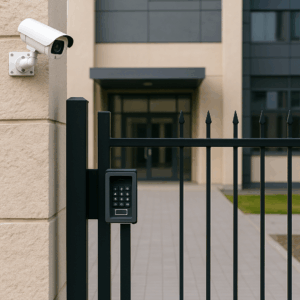
- Perimeter Security: Assessing the effectiveness of fences, gates, and surveillance systems in deterring unauthorized access. Physical barriers and security measures create the first line of defense against intruders.
- Access Control: Implementing systems to manage and monitor who enters and exits the facility. Access control systems, such as key cards and biometric scanners, help prevent unauthorized entry and track movement within the facility.
- Intrusion Detection: Utilizing alarms and sensors to detect and respond to unauthorized activities. Rapid response to intrusions minimizes damage and ensures swift action to address security breaches.
- Emergency Preparedness: Developing plans for evacuation, lockdown, and other emergency situations. Emergency preparedness ensures that personnel know how to respond quickly and safely during crises.
Conclusion: Navigating the Universal Threat Environment
In conclusion, understanding the universal threat environment is essential for organizations to navigate the complex landscape of global risks. By engaging in active crisis consulting, staying informed through global threat analysis, and conducting thorough facility security assessments, organizations can enhance their resilience and protect their assets. This comprehensive approach ensures that organizations are equipped to handle both current and future challenges.
As threats continue to evolve, a proactive and informed approach to security will ensure that organizations are prepared to face the challenges of the future. By fostering a culture of awareness and preparedness, organizations can build a secure and resilient foundation for continued success in an unpredictable world.