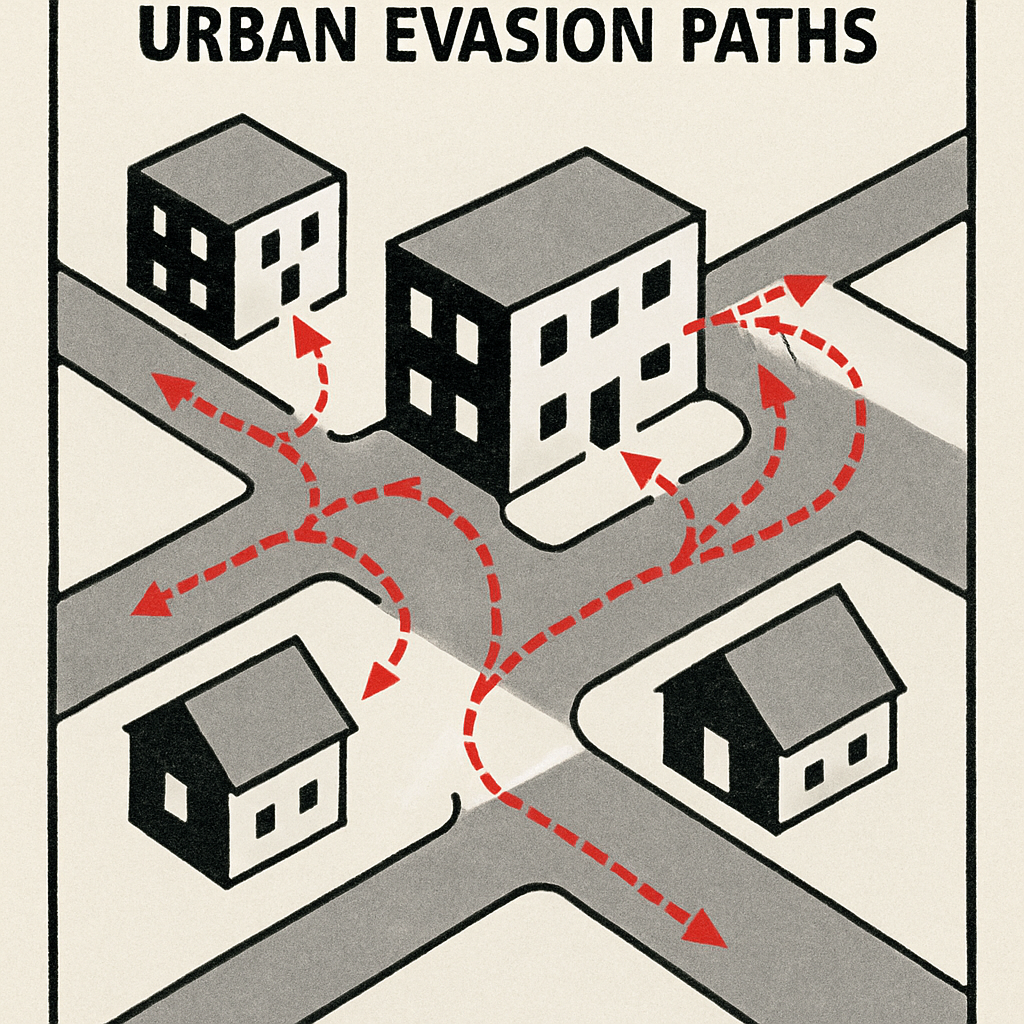
In a world filled with uncertainties, mastering evasion tactics is crucial for survival.
These skills can mean the difference between safety and danger.
Evasion tactics encompass a range of strategies designed to avoid detection and escape threats. They are essential in active crisis situations.
Distraction techniques and deception tactics play a vital role in diverting attention and misleading adversaries. These methods can provide a strategic advantage.
Understanding your environment and making quick decisions are key components of effective evasion. Blending into surroundings and using natural cover can enhance your chances of success.
This guide will explore various evasion tactics, equipping you with the knowledge to protect yourself in critical situations.

Understanding Evasion Tactics: The Foundation of Survival
Evasion tactics form the core of survival skills. They provide the framework for assessing threats and responding effectively. When chaos erupts, these tactics can help navigate danger.
The foundation of evasion involves understanding the different strategies available. This includes learning how to distract, deceive, and escape. Each tactic serves a unique purpose.
To establish a solid foundation, focus on these basic elements:
- Awareness of surroundings
- Knowledge of potential exits
- Ability to improvise on the spot

Each tactic can be tailored to specific scenarios, whether in urban settings or wilderness terrains. Knowing which method to apply requires practice and adaptation.
Mastering evasion tactics isn't solely about evading threats. It's also about building confidence. With preparation, you can face crises with poise. These skills empower individuals to take control during emergencies and ensure safety. Knowing these tactics provides peace of mind and readiness for whatever situation arises.
The Role of Situational Awareness in Active Crisis
Situational awareness is the cornerstone of surviving active crises. It involves understanding your environment and recognizing potential threats. Being aware allows you to anticipate problems before they occur.
To cultivate situational awareness, constantly observe your surroundings. Note exits, obstacles, and possible hiding spots. This mental map acts as your guide during unexpected events.
Key aspects of situational awareness include:
- Continuous scanning of the environment
- Identifying unusual behavior or changes
- Adjusting plans based on new information
In a crisis, rapid assessment and adaptability are essential. Early detection of threats can provide critical seconds for response. Keeping a calm and observant mindset enhances decision-making. Mastering this skill enhances your readiness, helping you stay one step ahead in dynamic situations.
👉 Ready.gov – Situational Awareness and Personal Security Tips
https://www.ready.gov/business/implementation/security‑programs/situational‑awareness
Distraction Techniques: Diverting Attention for Escape
Distraction techniques are powerful tools in evasion tactics. By diverting an adversary's attention, you create opportunities to escape. These techniques can also buy you time, allowing you to plan your next move.
Effective distraction can be achieved using a variety of methods. Consider the environment and available resources. Here are some common techniques:
- Throwing objects to create noise elsewhere
- Using light to blind or disorient
- Creating visual diversions with smoke or reflections
Each method demands creativity and quick thinking. The goal is to shift focus away from yourself. This is especially useful in high-pressure situations where seconds count.
Practicing these techniques can improve your ability to employ them under stress. The element of surprise is your ally. Mastering distraction techniques strengthens your overall evasion strategy and enhances your chances of survival in critical moments.
Deception Tactics: Misleading Adversaries
Deception is a strategic art used to manipulate an adversary's perceptions. By feeding false information, you gain leverage in critical situations. This approach can be vital when an escape route is compromised.
To deceive effectively, understanding human behavior is crucial. Anticipate how an opponent might react to false cues. Common deception tactics include:
- Leaving misleading signs or tracks
- Mimicking voices or sounds
- Using decoy objects to mislead pursuit
 by The New York Public Library (https://unsplash.com/@nypl)
These tactics require creativity and timing. It's about making your adversary see what you want them to see. Successfully misleading an opponent can provide a crucial advantage in a tense scenario.
Regularly practicing deception techniques helps hone these skills. Adapt to new situations by learning from each encounter. Being unpredictable is key. The better you become at spinning illusions, the more control you can exert over confrontations. This skill is essential for enhancing your survival chances in an active crisis.
Environmental Mastery: Using Terrain and Cover
Mastering your environment is vital for effective evasion. Understanding terrain can mean the difference between escape and capture. Use natural features to your advantage.
Geographical awareness aids in choosing the best evasion paths. Identify potential barriers and utilize them. Trees, rocks, and depressions can serve as cover. Consider the following strategies:
- Navigating through dense foliage to obscure visibility
- Using hills or boulders to break line of sight
- Selecting routes that are challenging for pursuers
 by Haberdoedas II (https://unsplash.com/@haberdoedas2)
Terrain knowledge also includes recognizing how light and shadow affect visibility. Shadows can conceal movements, while bright areas might expose you. Being adaptable to changing landscapes is crucial. Every terrain offers unique advantages and obstacles. Understanding these can significantly enhance your evasion tactics potential. Environmental mastery enables you to remain undetected, providing the upper hand against any adversary in pursuit. Regular practice and familiarization with different terrains bolster these essential survival skills.
Blending In: Camouflage and Concealment Strategies
Blending into your surroundings can prevent detection. Effective camouflage involves more than just wearing the right colors. It's about mimicking the environment in which you find yourself.
Adaptation is key. While in a forest, use leaves or mud to break up your outline. In urban settings, try to look like a part of the crowd. Consider these strategies:
- Wearing clothing that matches the surroundings
- Using natural materials to hide your silhouette
- Avoiding eye-catching movements and sounds
 by Leonardo Iribe (https://unsplash.com/@leonardodbi)
Be mindful of your clothing and movement. It's important to stay aware of changing conditions. Shadows, light, and color shifts can affect your visibility. Mastering these concealment techniques provides an added layer of protection. By blending in, you minimize the likelihood of attracting unwanted attention, ensuring a more successful evasion. This skill is invaluable and practical, whether in urban jungles or remote wilderness areas.
Quick Decision-Making Under Pressure
During an active crisis, quick decisions are crucial. The ability to act fast can make a life-saving difference. A clear mind leads to effective actions.
Stress can cloud judgment. Prepare by practicing decision-making in simulated scenarios. This helps train your brain to react calmly under stress.
Use the following checklist for rapid decisions:
- Assess the immediate threat level
- Identify potential escape routes
- Choose the best course of action swiftly
Situational awareness aids quick decisions. Knowing your environment and options reduces hesitation. Regular practice keeps your skills sharp. Trust your instincts and remain adaptable. This increases your chances of a successful escape. With practice, you gain confidence. This confidence can make all the difference during high-pressure moments.
Physical and Mental Preparedness for Evasion
Physical fitness is vital for effective evasion tactics. Strength and endurance boost your ability to evade threats. Flexibility and agility enable quick movements.
Mental resilience underlies successful evasions. Calm thinking leads to better strategies. Regularly practicing mindfulness enhances focus during crises.
Consider incorporating these routines into your preparation:
- Engage in regular cardio and strength exercises
- Practice mindfulness or meditation for mental clarity
- Simulate evasion scenarios to test both body and mind
Awareness of personal limits is key. Understanding when you need rest prevents burnout. Both the mind and body need nurturing. Balancing physical and mental preparation can significantly improve your evasion abilities. Cultivating strength in both areas increases your overall resilience.
Technology and Tools: Modern Aids for Evasion
Today, technology plays a crucial role in evasion tactics. Devices like smartphones are indispensable for navigation and communication. Apps designed for emergency situations can provide real-time assistance.
In addition to digital tools, other handy equipment enhances your ability to evade:
- GPS devices for accurate navigation
- Noise-cancelling headphones to maintain focus
- Portable chargers to keep devices functional
Using technology wisely can offer a significant advantage in active crisis situations. However, it's important to understand the limitations of tech in areas with weak signals. Combining traditional skills with modern tools enhances your readiness.
 by Fran Jacquier (https://unsplash.com/@fran_)
Practicing and Adapting Evasion Tactics
Regular practice is key to mastering evasion tactics. Simulation of real scenarios can highlight strengths and uncover areas for improvement. Through practice, you build muscle memory, improving response times during an active crisis.
It's essential to adapt tactics to your personal strengths and environmental conditions. Keep these points in mind:
- Tailor techniques to different terrains
- Consider physical and mental limitations
- Stay informed about new strategies
Stay flexible in your approach. Being adaptable ensures preparedness in unpredictable situations. Embrace learning from experiences to enhance your skills further.
Integrating Evasion Tactics into Everyday Life
Incorporating evasion tactics into daily routines enhances readiness. Simple practices can make a significant difference in personal safety and awareness.
To seamlessly weave these skills into your life:
- Observe your surroundings regularly
- Practice situational awareness during your commute
- Engage in mental exercises to boost decision-making skills
These habits strengthen your evasion proficiency, making them second nature.
Building Confidence and Resilience
Mastering evasion tactics empowers you with confidence to handle unpredictable crises. These skills not only enhance personal safety but also contribute to overall resilience in tough situations.
By practicing these strategies, you cultivate a mindset ready to face challenges head-on. Remember, preparation and knowledge offer security and can make a life-changing difference.