In an unpredictable world, understanding the basics of survival and evasion can be invaluable.
Whether you're an outdoor enthusiast or someone preparing for unforeseen circumstances, knowing how to protect yourself in active crisis situations can make all the difference. This guide will cover essential survival skills and survival evasion tactics designed for beginners, helping you navigate through challenging scenarios with confidence.
 Understanding the Basics of Survival
 Understanding the Basics of Survival
Before diving into survival evasion tactics, it's crucial to grasp some fundamental survival skills. These skills form the backbone of your ability to stay safe and composed in any situation.
The Rule of Threes
A useful principle in survival training is the "Rule of Threes." It serves as a guideline for prioritizing your needs:
- You can survive three minutes without air.
- You can survive three hours without shelter in harsh conditions.
- You can survive three days without water.
- You can survive three weeks without food.
Understanding this rule helps you prioritize your actions in a survival situation, focusing first on securing air and shelter, followed by water and food.
Building a Shelter
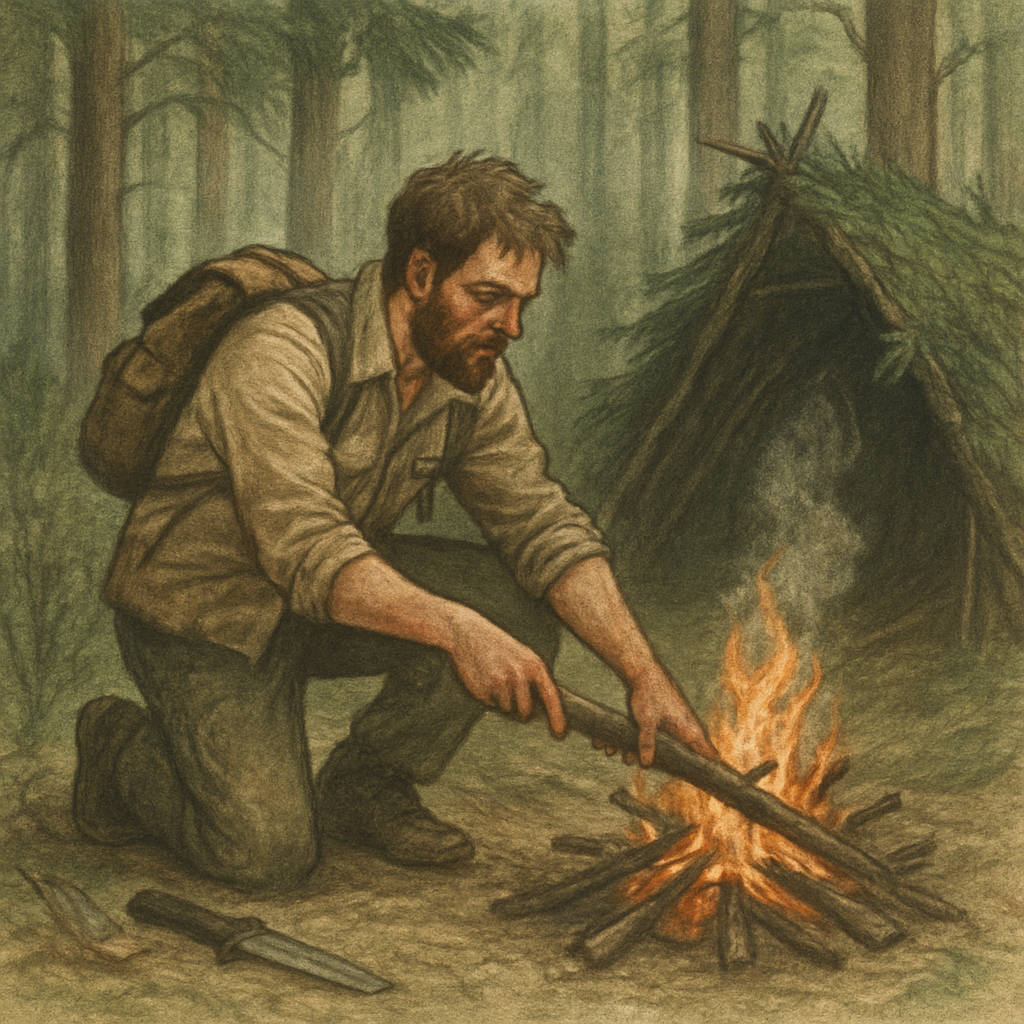
Shelter protects you from the elements and is a priority in many scenarios. Depending on your environment, you might construct a simple debris hut using branches and leaves or utilize natural formations like caves. Survival evasion tactics often involve choosing concealed shelter locations that prevent visibility from potential threats.
Procuring Water
Finding water is essential. Look for clear, flowing sources like streams or rivers. If necessary, collect rainwater or dew. Always purify water by boiling or using purification tablets to remove harmful pathogens.

Wilderness and Remote First Aid
-
Description: Comprehensive basics for injury and first‑aid situations outdoors.
https://www.cdc.gov/niosh/topics/firstaid/remote.html
Starting a Fire
Fire is crucial for warmth, cooking, and signaling for help. Practice creating a fire using different methods like matches, a lighter, or flint and steel. Ensure you have a fire starter in your survival kit. In many survival evasion tactics, fire use should be discreet to avoid detection, especially in hostile environments.
Evasion Tactics for Beginners
Survival evasion tactics are strategies designed to keep you out of sight and safe from potential threats. Whether avoiding wildlife or hostile individuals, these tactics can help you remain undetected.
Camouflage Techniques
Camouflage is a critical skill for blending into your surroundings. Use natural materials to break up your outline and avoid detection.
- Clothing: Wear earth-toned clothing to blend in with natural environments.
- Natural Cover: Use leaves, mud, or charcoal to cover exposed skin and gear.
- Movement: Move slowly and cautiously, avoiding sudden movements that can draw attention.
Understanding Your Environment
Familiarity with your environment is crucial for successful evasion. Take time to observe your surroundings, noting natural landmarks, water sources, and potential hazards. Mastery of your environment enhances your ability to apply effective survival evasion tactics.
Silent Communication
In an active crisis, communication can be vital without attracting unwanted attention. Develop non-verbal signals with your group to convey messages silently.
- Hand Signals: Establish a set of hand signals for common instructions like "stop," "go," and "danger."
- Whistles: Use a whistle or a similar device to signal without shouting.
 by Eric Stoynov (https://unsplash.com/@ericstoynov)
Night Movement
Traveling at night can reduce your chances of being spotted. However, it also presents challenges like limited visibility and increased risks.
- Preparation: Use a red lens on your flashlight to preserve night vision and avoid drawing attention.
- Quiet Steps: Move quietly by walking heel-to-toe and avoiding dry leaves or twigs.
Navigating in darkness is a common aspect of survival evasion tactics, requiring careful planning and enhanced awareness.
Creating a Diversion
In some cases, creating a diversion can help you evade threats. This could involve throwing a rock to create noise in a different direction or setting up a decoy shelter.
- Timing: Plan your diversion carefully, timing it to coincide with your movement.
- Simplicity: Keep diversions simple and quick to execute.
When used correctly, diversion strategies are powerful components of survival evasion tactics that can give you a critical advantage.
Building a Survival Kit
A well-prepared survival kit can be a lifesaver in any situation. Include the following essentials:
- First Aid Kit: Basic medical supplies for treating injuries.
- Fire Starter: Matches, lighter, or flint and steel.
- Water Purification: Tablets or a portable filter.
- Navigation Tools: Map, compass, and GPS device.
- Signaling Devices: Mirror, whistle, and flashlight.
- Multi-tool: A versatile tool for various tasks.
Final Thoughts
Mastering essential survival evasion tactics can significantly increase your chances of staying safe in challenging situations. By understanding the basics of survival, practicing evasion strategies, and preparing a comprehensive survival kit, you'll be equipped to handle emergencies with confidence.
Survival isn’t just about basic preparedness, it’s also about mastering situational awareness skills that help you read your environment effectively.
When assembling your gear, including essential items like a robust first‑aid kit and navigation tools, reviewing a survival kit essentials checklist ensures you don’t miss critical supplies. Similarly, federal resources such as the National Park Service’s wilderness survival skills guide provide valuable practical techniques for shelter and fire building.
In practicing evasion, lean on structured programs that teach evasion and escape techniques under controlled conditions before applying them in real life.
Remember, practice makes perfect, so regularly hone these skills to ensure you're ready for whatever comes your way. Stay informed, stay prepared, and stay safe.